Roofing resources · 7 min read
What a Roof Inspection Report Can Add to an Insurance Claim
A technical roof report can clarify a damage question, but it cannot approve coverage or replace the carrier's decision.
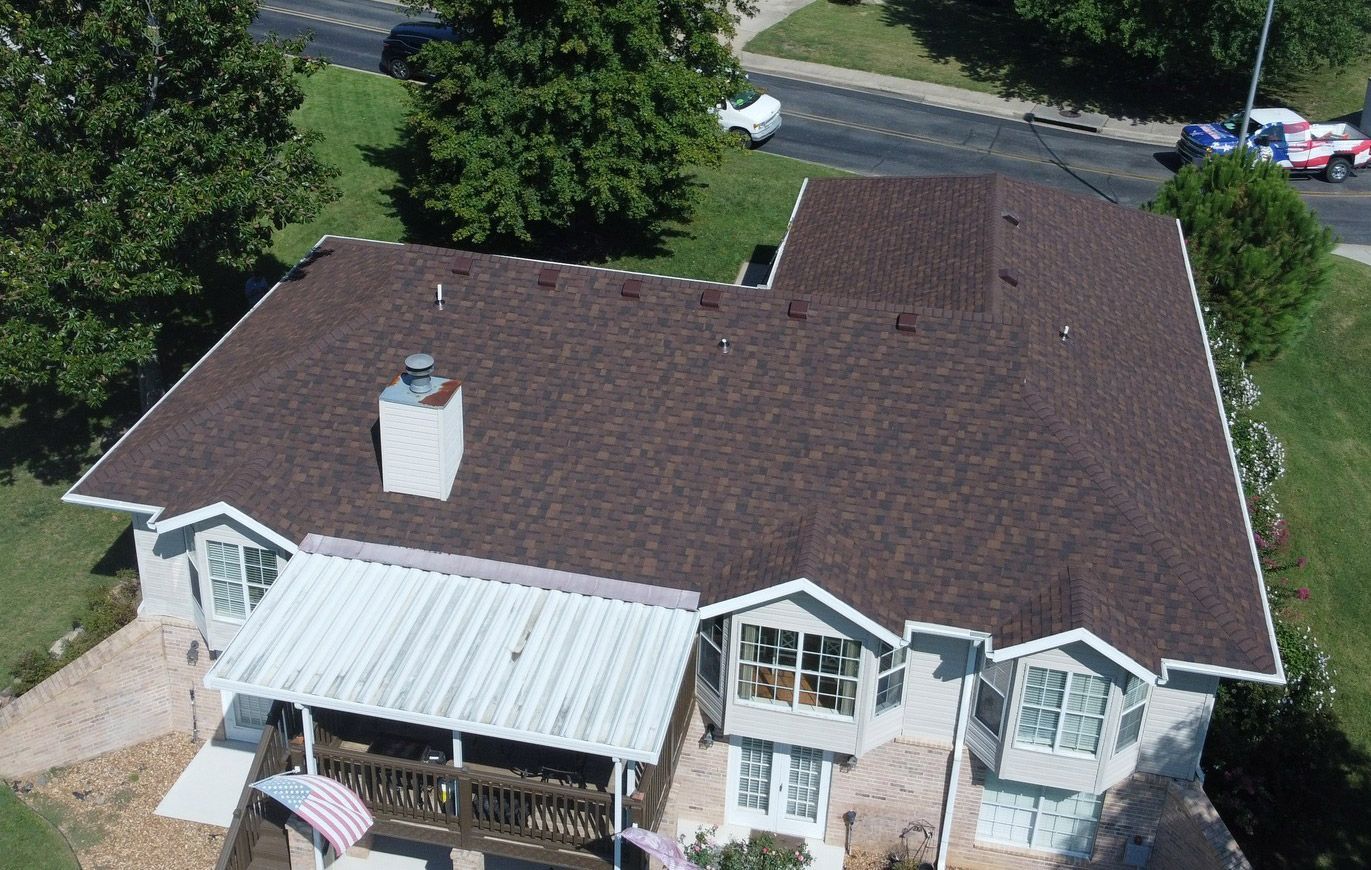
An insurer's estimate, a contractor's repair scope and a professional inspection report serve different purposes. When the disagreement is technical, such as whether marks are storm-related or which roof areas are affected, a separately commissioned report can describe observations and limits. It does not interpret your insurance contract.
Begin with the disputed question
Is the issue cause, date, extent of damage, a missing roof detail or the condition of a particular slope? Provide the inspector with the carrier's stated position, available prior photos and the date of reported loss. A narrow question produces a more useful report than asking someone to prove the entire claim should be paid.
What useful documentation contains
- Photos identified by slope or component, not an unlabeled image dump
- Descriptions of observed damage, wear, prior repair or manufacturing/workmanship conditions
- Reasoning about what the observations do and do not support
- Limitations such as inaccessible areas, older damage or incomplete records
If the claim was denied
A second opinion may give you additional evidence to discuss with an adjuster, appraiser or adviser. It cannot guarantee reopening or reversing a denial. Policy language, the facts of the loss and the carrier's determination control coverage. Ask your agent or a qualified adviser about process and deadlines; this guide is not legal or insurance advice.
Which ARCC service fits?
A free storm project inspection helps scope possible repair work. A paid insurance claim roof inspection is a separate documentation-first report. Insurance restoration is the contracting phase if work is later authorized.