Roofing resources · 8 min read
Roof Workmanship, Code & Manufacturer Installation Inspections
A shingle detail can be judged only against the right installation instruction, scope and applicable code. Here is what to gather.
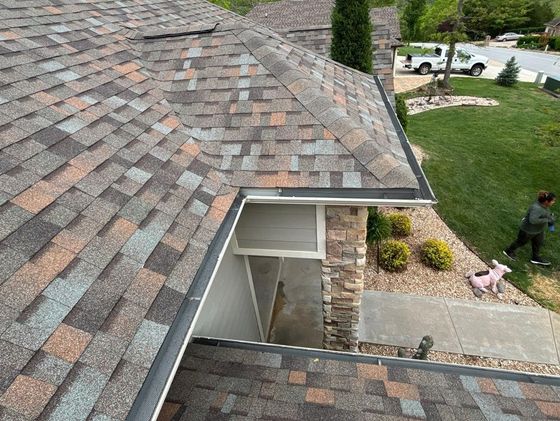
A roof can leak because of workmanship, but a leak alone does not identify which detail failed. A technical inspection begins with the installation being questioned: roof section, product, date, applicable instructions and what was actually built. Those facts matter more than a generic checklist.
Workmanship questions
Was flashing lapped and integrated with the water-shedding layers? Were penetrations detailed for the roof type? Did drainage direct water to a discharge point? A report can record visible construction and compare it with an identified requirement. Concealed fasteners or underlayment cannot be declared compliant or noncompliant from a photo of finished shingles alone.
Code is specific to a place and time
The relevant code edition and local requirements for the address and installation date must be identified before making a compliance comparison. An inspector may recommend consulting the jurisdiction or a qualified specialist when those facts are unclear. An inspection is not an official municipal code ruling.
Manufacturer instructions are product-specific
Gather the exact product line, installation guide version and any warranty paperwork. A ridge detail acceptable for one assembly may not be for another. Apparent mismatch should be documented with photographs and a citation to the actual instruction, not inferred from a brand name.
What to gather before the visit
- Contract and written scope, if available
- Installation date and product documentation
- Photos from installation, repair and subsequent leaks
- Any written concern from the owner, installer, manufacturer or jurisdiction
ARCC can scope a paid forensic roof inspection around the disputed detail. If the issue is a leak with no known cause, start with leak investigation instead.